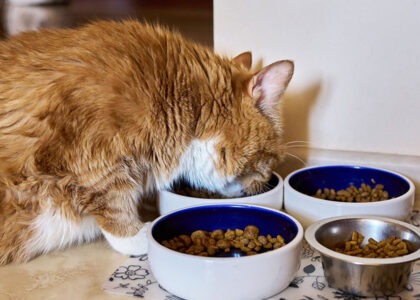
Feeding your pet the right food is one of the most important decisions you make as a pet owner. Good nutrition keeps dogs and cats healthy, active, and protected from many common diseases.
In Ethiopia, pet owners often face a mix of choices—commercial pet food, homemade meals, or a combination of both. This guide will help you understand what’s best for your pet.
Why proper nutrition matters
A balanced diet supports:
- Strong immune system
- Healthy skin and coat
- Good digestion
- Energy and growth
- Longer lifespan
Poor nutrition, on the other hand, can lead to illness, weakness, and long-term health problems.
1. Commercial pet food (dry and wet food)
High-quality commercial pet food is usually the easiest and safest option when available.
Benefits:
- Balanced nutrients (protein, vitamins, minerals)
- Easy to serve
- Long shelf life
What to look for:
- Real meat as the main ingredient
- Trusted brands
- Avoid very cheap, low-quality products
2. Homemade food (common in Ethiopia)
Many pet owners in Addis Ababa feed homemade food like:
- Meat scraps
- Rice
- Injera leftovers
This can work, but it must be balanced.
Good homemade options:
- Cooked meat (beef or chicken, no bones)
- Rice or small amounts of carbohydrates
- Cooked vegetables (carrots, pumpkin)
Important:
Do not rely only on leftovers. Pets need specific nutrients that human food may not provide.
3. Foods to avoid completely
Some foods are dangerous for pets and should never be given:
- Chocolate
- Onions and garlic
- Cooked bones
- Excess salt or spicy food
- Alcohol or caffeine
These can cause serious illness or even death.
4. Feeding puppies and kittens
Young pets need more nutrients for growth.
Tips:
- Feed 3–4 times a day
- Use high-protein food
- Avoid adult dog/cat food at early stages
Proper nutrition early in life prevents many future health problems.
5. How often should you feed your pet?
- Adult dogs: 1–2 times per day
- Cats: 2 times per day
- Puppies/kittens: 3–4 times per day
Always provide clean, fresh water.
6. Signs your pet has poor nutrition
Watch for these warning signs:
- Dull coat or hair loss
- Low energy
- Weight loss or obesity
- Digestive problems
- Frequent illness
If you notice these, your pet’s diet may need improvement.
7. Combining commercial and homemade food
Many pet owners in Ethiopia use a mixed approach.
This is okay if:
- The food is clean and safe
- You maintain balance
- You avoid harmful ingredients
A vet can help you plan the right mix.
Final advice
There is no “one perfect diet” for every pet. The best food depends on your pet’s:
- Age
- Size
- Health condition
- Activity level
The key is balance, consistency, and quality.
Contact Tom Vet Clinic
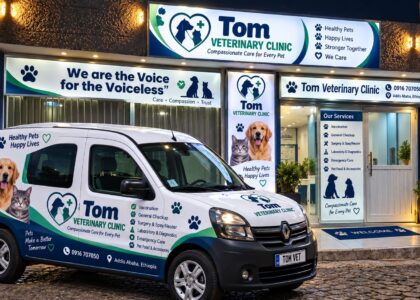
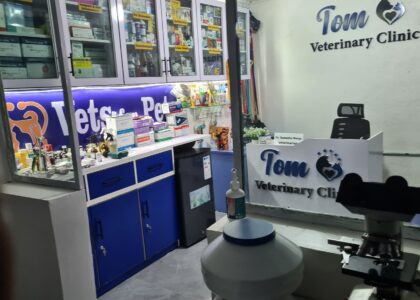
If you’re unsure what to feed your dog or cat, Tom Vet Clinic in Addis Ababa can guide you with professional advice tailored to your pet.
📞 Call: 0916707093
📍 CMC, Addis Ababa
🕒 Available for consultations and nutrition guidance
Good nutrition starts with the right advice. Give your pet the healthy life it deserves.